

Thought Leadership Jessica Shan: Teaching Mandarin in the Age of AI

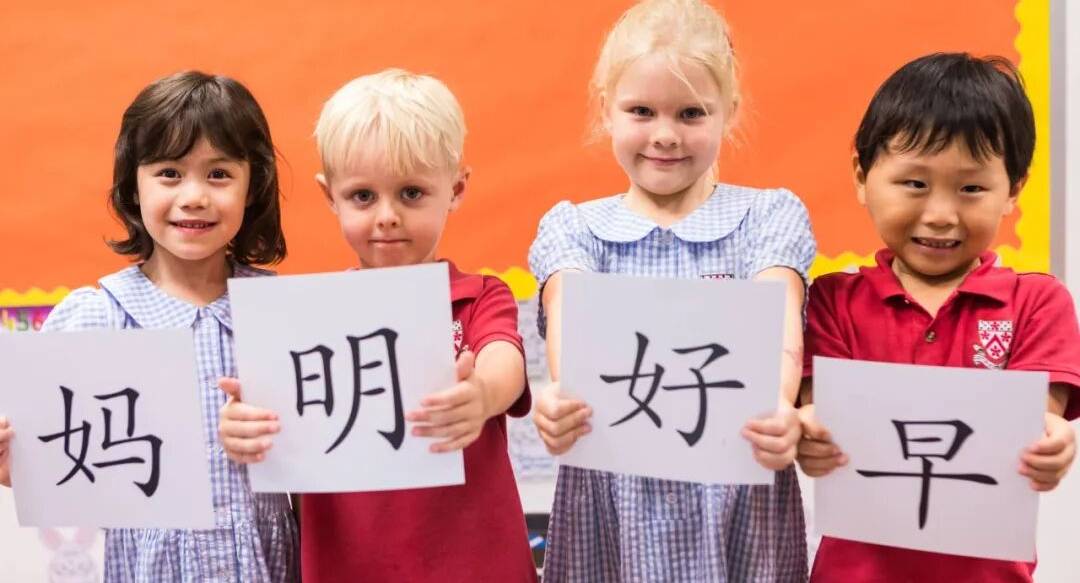
As artificial intelligence reshapes how language is accessed, produced and assessed, Mandarin education is entering a new phase. Instant translation and text generation tools challenge long-held assumptions about what language proficiency looks like, while simultaneously elevating the importance of judgement, interpretation and purposeful communication.
In this second conversation, Jessica Shan, Group Director of Chinese Curriculum at Education in Motion, turns her attention to practice. She reflects on how Mandarin teaching is evolving in the age of AI, how educators collaborate across schools to sustain coherence and quality and what gives her confidence in the future of Mandarin learning within international education.

Jessica Shan
Group Director of Chinese Curriculum
Jessica Shan is the Director of Chinese Curriculum at Education in Motion (EiM), providing strategic leadership for the design, alignment and continuous improvement of Mandarin education and Chinese-medium learning across the Group's diverse family of schools.
With over 20 years of experience in education, Jessica brings a blend of policy, academic and school-based expertise. She holds degrees in Psychology and Chinese Studies from the National University of Singapore, a Postgraduate Diploma in Education (Secondary) and a leadership certificate from Harvard University. Her professional experience spans public education in Singapore, higher education in Taiwan and curriculum leadership and consultancy roles in top-tier international schools in Asia. Across these contexts, she has led large-scale curriculum alignment initiatives, advised on programme development and driven cross-campus professional learning and regional conferences, empowering educators and supporting schools to deliver Mandarin programmes that are academically rigorous, culturally authentic and locally meaningful.
Teaching Mandarin in the Age of AI
Q How should schools redefine what good Mandarin learning looks like, as AI tools can now translate Mandarin or even generate writing instantly?
'In the age of AI, we must shift our emphasis from flawless output to thoughtful engagement.
Quality Mandarin education today is reflected in interpretation, argumentation and contextual sensitivity. Students should be able to evaluate AI-generated language critically, refine it with discernment, and ensure it aligns with purpose and audience.
Ultimately, the measure of quality is not speed, but depth; not perfection, but ownership of meaning.'
Q How is the role of the teacher and learner evolving in the Mandarin curriculum at DCI and EiM?
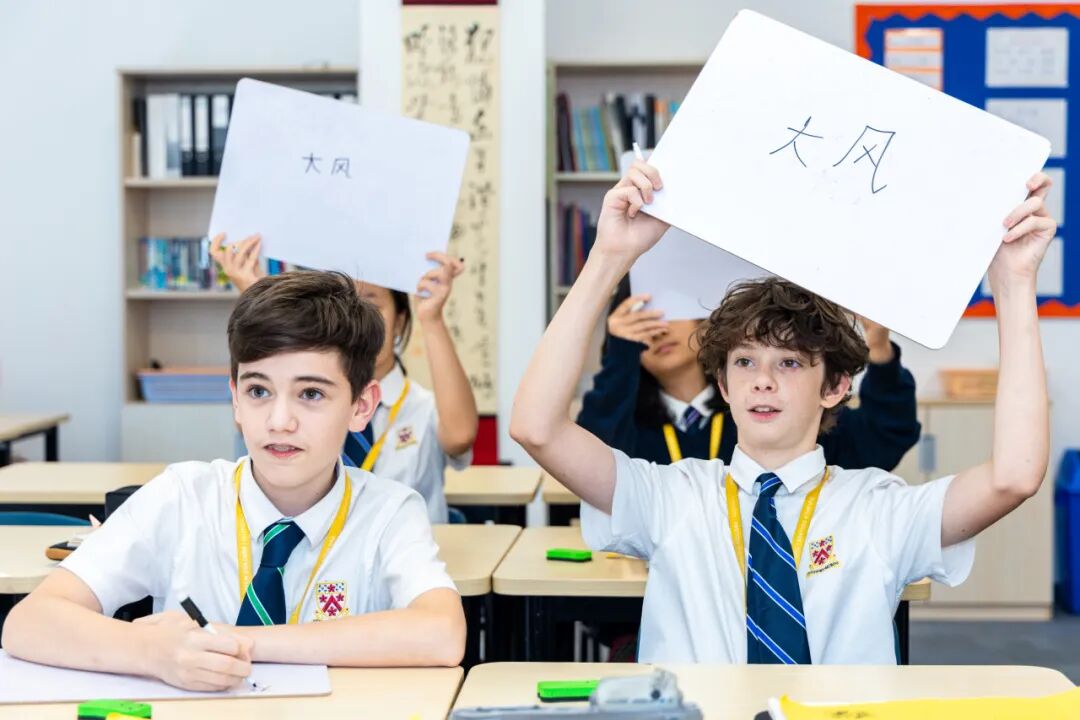
'In response to these shifts in Mandarin education, the teacher becomes a curator of meaningful inquiry, a coach for higher-order thinking and a guide to cultural complexity. At the same time, the learner assumes greater agency to question, revise, reflect and take responsibility for intellectual growth.
In an AI-enhanced environment, metacognition becomes central. Students must understand not only what they are learning, but how they are learning and why it matters.
Seen in this light, technology does not diminish the role of the teacher, it elevates it.'
Q How does EiM balance academic rigour in Mandarin with practical, real-world language use for students of different levels?
'We maintain clear progression, robust assessment standards and differentiated pathways for diverse learner profiles.
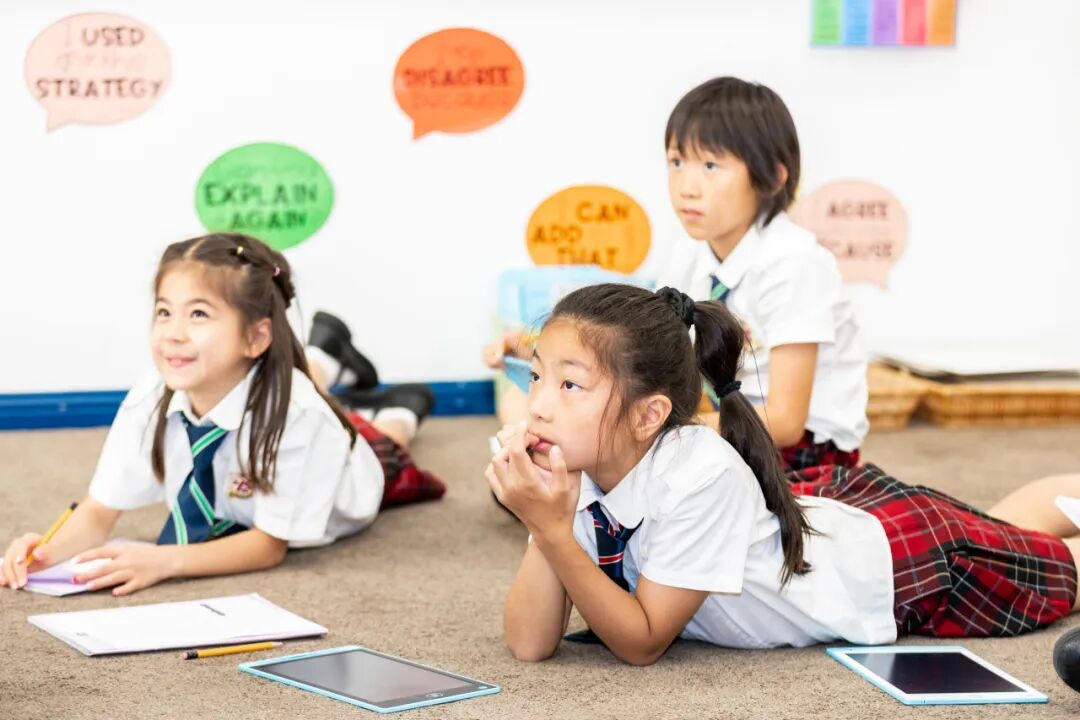
Alongside this, we create opportunities for real-world application. Students conduct interviews with local community members, participate in cultural exchanges, create digital storytelling projects for authentic audiences and explore contemporary Chinese social issues through research and dialogue.
Through these experiences, Mandarin moves beyond the textbook into lived experience. When intellectual rigour is aligned with meaningful application, students develop both confidence and competence.'

Collaboration, Community and the Future of Mandarin Learning
Q Why is collaboration among Mandarin educators across EiM so important for sustaining high-quality language education?
'Sustained excellence in language education does not happen in isolation. It is built upon shared vision and collective wisdom. Collaboration across EiM ensures our Mandarin programmes are aligned in purpose, coherent in progression and consistent in expectations.
Through ongoing professional dialogue, teachers refine curriculum design, examine student work together and challenge one another's thinking. This collective inquiry elevates practice beyond individual classrooms and fosters principled innovation rather than fragmented experimentation.
Most importantly, collaboration safeguards coherence. It ensures that our Mandarin programmes are not separate pockets of good practice, but expressions of a unified educational philosophy. When educators learn alongside one another, the programme evolves with clarity, integrity and a shared sense of direction.'
Q How does shared professional learning support teachers in navigating challenges such as AI and diverse learner needs?
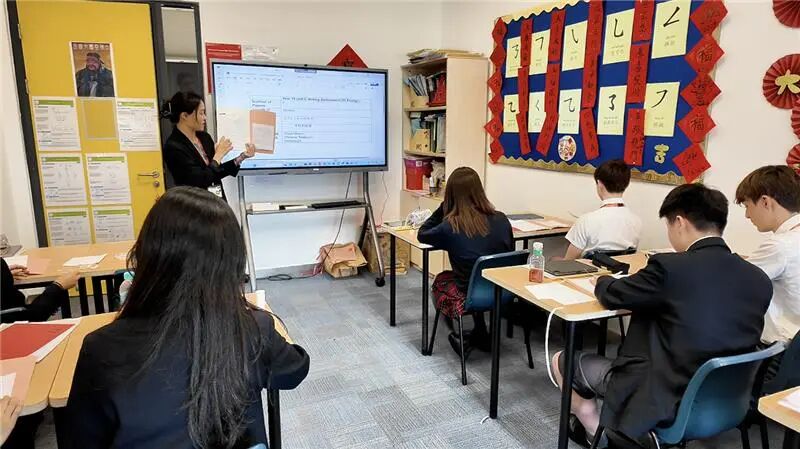
'Shared professional learning creates conditions for thoughtful exploration rather than reactive adjustment. It offers teachers structured time and intellectual space to examine how AI can be integrated responsibly, to reconsider assessment design with creativity and to co-construct meaningful strategies for differentiation that genuinely respond to diverse learner profiles.
In a rapidly shifting educational landscape, this collective inquiry enables teachers to respond to change with discernment rather than urgency. Through sustained dialogue and reflection, innovation becomes principled rather than improvised, providing stability and forward direction for the programme.'

Q EiM will host a Mandarin education conference at Dulwich College Shanghai Puxi and Dehong Shanghai. What inspired this gathering?
'This conference both honours tradition and looks ahead with intention. For many years, meetings among Mandarin educators within Dulwich have served as valued professional touchpoints for dialogue, reflection and shared growth. This year, we are extending that spirit to include colleagues from Dehong and the wider EiM group, creating a broader platform for collective inquiry and cross-school collaboration.
The inspiration for this event comes from a recognition that Mandarin education stands at a pivotal moment. Rapid technological advancement, particularly in the age of AI, alongside increasingly diverse learner profiles, calls for deeper pedagogical reflection rather than incremental adjustment. We felt a responsibility to create a space where educators can think together with clarity and purpose about what high-quality Mandarin education should look like now and into the future.
Attendees can expect thoughtful exploration of Mandarin learning in the AI era, the cultivation of cognitive agility and intercultural competence, peer-sharing of classroom best practices and continued dialogue around balancing academic rigour with meaningful real-world application. Above all, the conference reaffirms our commitment to language education that is human-centred and intellectually robust, grounded in research, responsive to change and guided by clear educational purpose.'
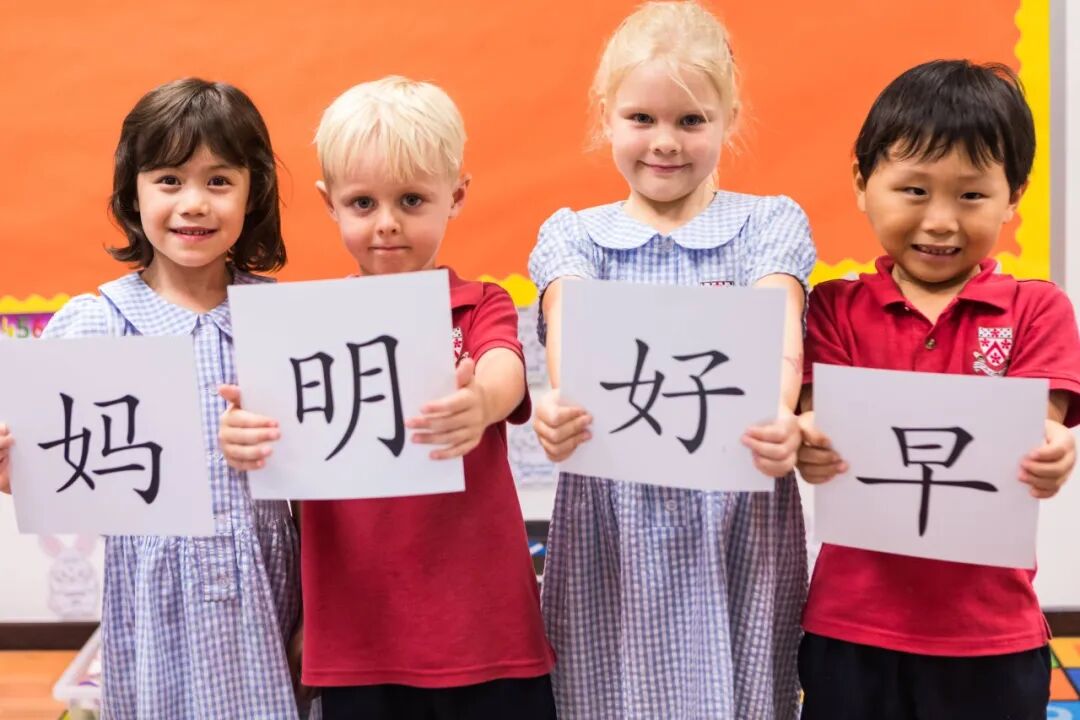
Q What gives you the greatest sense of optimism about the future of Mandarin learning in international schools?
'Looking ahead, I am deeply encouraged by students' increasing openness to multilingual identities and by the growing body of research affirming the cognitive and developmental value of language learning.
Across international schools, we are seeing learners embrace Mandarin not merely as an academic requirement, but as a meaningful dimension of who they are becoming in a connected world.
When approached with depth, coherence and care, Mandarin education cultivates intellectual agility, broadens perspective and nurtures intercultural understanding. It shapes neural pathways associated with executive function, strengthens cognitive flexibility and supports more nuanced communication. These are not peripheral gains; they are foundational capacities for young people navigating complexity with confidence and empathy.
In this sense, Mandarin learning contributes directly to EiM's aspiration for students to Live Worldwise. We are not only teaching communication; we are shaping habits of mind and habits of heart. That responsibility gives me both a profound sense of purpose and a deep optimism for what lies ahead.'

Across these two conversations, Jessica Shan offers a thoughtful perspective on how Mandarin education within Dulwich College International and the wider Education in Motion group is evolving to meet the demands of an increasingly complex and multilingual world. From the human-centred philosophy explored in the first part to the practical innovations discussed in this interview, her reflections highlight that Mandarin is far more than a language to be learned—it is a powerful medium for cultivating judgement, empathy, cognitive agility and cultural understanding.
Anchored in a carefully designed curriculum, rigorous pedagogy and collaborative professional practice, the programme creates meaningful real-world learning opportunities that empower students to navigate languages, cultures and technology with both confidence and discernment. Together, these two episodes present a holistic vision of Mandarin learning as a dynamic and purposeful endeavour—one that is firmly grounded in intellectual depth while nurturing ethical awareness and global understanding.
This is the second part of this Thought Leadership Series. Click on the link below to read the Part 1.